

Blog
Building Strong Foundations: Anchor Wall Plugs and Their Applications

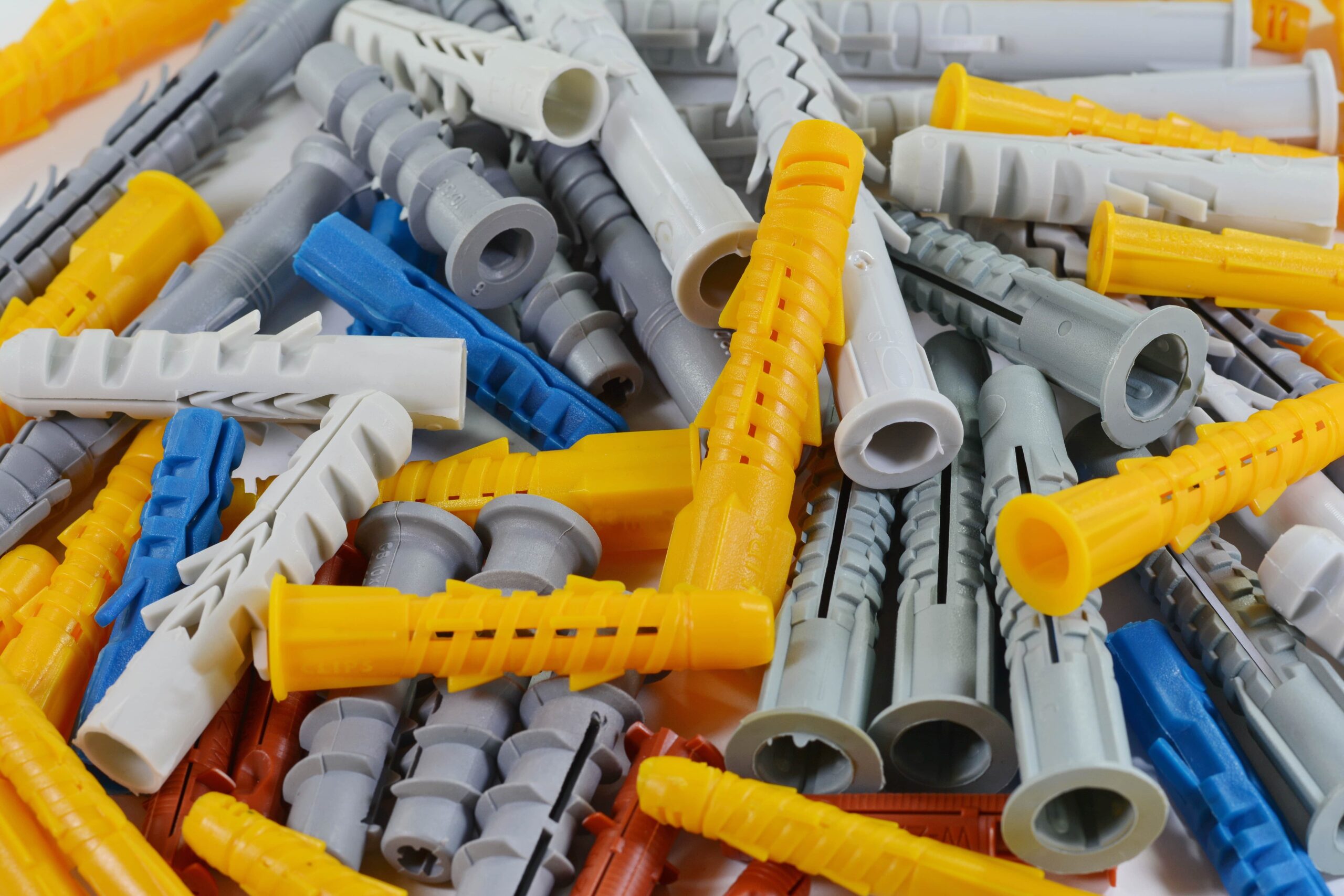
Learn more about anchor wall plugs and how you can use them to establish strong foundations on any project, with the expert team from Sky Blue Fixings. Contact us today for quality products at a competitive price and our team will be on hand to help you.
What is a Wall Plug?
There is a wide variety of sizes, styles, and brands of wall plugs and anchors, most of which are made of plastic or nylon. But in the end, they’re all for the same thing: making sure that any kind of wall material can be securely mounted or anchored. Wall plugs are sleeves that, when screwed into a wall, snap open to cover the drilled hole and secure the screw.
Wall plugs and anchors that are designed to be driven in with a hammer instead of a screwdriver serve the same purpose and are used in the same way.
Types of Anchor Wall Plugs
Drywall sleeve plugs
To secure plasterboard, a plastic sleeve or insert called a drywall sleeve plug is used, which is inserted into a tiny hole that has already been drilled in the material. Turning the included plasterboard metal screw into the sleeve causes the sleeve to expand. The metal screw is able to remain firmly embedded in the wall due to the increased shear strength.
Drywall threaded corkscrew plugs
A plasterboard corkscrew plug is a big screw-shaped insert made of plastic or metal that is intended to be self-drilled into the plasterboard without the need for a pilot hole. After that, you’ll need to tap the supplied metal screw into the anchor; this second screw will secure the item to the wall.
Drywall wing style plug
The wings of a plasterboard wing-style plug provide pressure on the rear of the plasterboard, which holds the item securely in place, while the front flange applies pressure in the opposite direction.
When to use Nylon Wall Plugs
Wall plugs should be used to support anything you hang onto a wall, with the exception of light picture frames, clocks, etc. For lighter items, you can use picture hangers that are hammered into the wall. That means, curtain rails, rods and poles or curtain tracks, heavy items such as headboards, bookshelves, wall shelves to support heavy items; from a safety point of view, always use wall plugs when drilling into any type of wall to mount or hang anything.
It is also important that you use the correct wall plug for the material you are drilling into, particularly when it comes to drywall partitioning or hollow-core doors. These require specialist drywall plugs, as these pop open in a different way than other wall plugs and will hold the item being mounted firmly in position.
Ask our team about using anchor wall plugs today and we’ll be happy to help.


